1 Nov 2026
Work From Home Tax Deductions 2026: What You Can Claim
Working from home in 2026? See how the 70 cent fixed rate and actual expenses method work, what remote employees can claim, and the records to keep.
Site visits, overnight stays and the records behind them. A plain-English look at out of office travel expenses in 2026–27 for Australian workers.
7 min read
🧮 Try our car expenses calculator ↓
A job that pulls you away from your usual desk, depot or site changes the deductions you can put on your return. Some of it is straightforward. Some of it catches people out, particularly the gap between a daily commute and a genuine work trip. The out of office travel expenses that survive scrutiny share three things: a clear work purpose, money you actually spent, and a record to prove it.
What follows covers the common situations, from moving between work sites to staying away overnight, plus the extras such as parking, tolls and meals. Where an answer depends on your own circumstances, check with the ATO or a registered tax agent before you lodge.
Before you look at individual expenses, it helps to know what the tax system expects from any work-related claim. The same foundation applies to a taxi fare to a client site or a night in a country motel.
One more principle runs alongside those three. You can only claim the work-related part of an expense. If a trip mixes work and personal time, the personal portion comes out of the claim. That applies to accommodation, fares, car hire and everything else on the list.
Travel between home and a regular place of work has long been treated as non-deductible, and that position has not shifted. The daily run to the same office, depot or site is private travel in the eyes of the tax system, even though you only make the trip because of your job.
This is the one most people get wrong in the other direction, assuming the commute must be claimable because work requires it. It is not. If you work at the same location most days, the cost of getting there and back sits outside your deductions.
There is a clear exception. If you travel directly between two separate workplaces, the cost of that journey can be claimed. The classic example is holding a second job and heading straight from one workplace to the other. The word that matters is directly. A detour home to drop the car off or collect the kids changes the character of the trip, and the claim usually falls away with it.
For tradies, installers, inspectors and anyone else who moves between job sites, the work purpose of each movement is what counts. Write down the date, the locations and the reason for the trip at the time. A bank statement showing a fuel purchase rarely tells the full story six months later, and that is exactly when you will be asked about it.

You can claim a deduction for travel expenses when you travel away from home overnight to attend conferences, seminars, training courses or industry events connected to your job. The overnight element matters because it separates a work trip from an ordinary day on the road.
Accommodation carries its own conditions. All three of these need to be true before anything goes on the return:
If your employer books and pays for the room, there is nothing left for you to claim. The same logic applies to any trip where you are reimbursed for the cost.
Meals sit in their own narrow category. Food and drink can be claimed only where the travel includes an overnight stay. A long day of site visits does not usually open the door to a meal claim, no matter how early you left home.
| Expense | Usually claimable? | What the rules say |
|---|---|---|
| Accommodation | Yes, if all three conditions are met | Travel for work, sleep away from home overnight, and pay for it yourself |
| Meals | Only when the travel includes an overnight stay | Day trips generally do not bring food and drink into the claim |
| Air, bus, train and taxi fares | Yes | Claim the work-related portion and remove any private travel |
| Parking fees | Yes | Keep the ticket or receipt as evidence |
| Bridge and road tolls | Yes | Toll account statements work well as proof |
| Car hire charges | Yes | Work out any private use and leave it out of the claim |
Treat that table as a starting point rather than a green light. Each line still has to pass the work-purpose test, and each line still needs evidence behind it.

There is a line between travelling for work and living away from home, and it matters more than most people expect. Expenses incurred while an employee is living away from home are generally considered living expenses and are not deductible to the employee.
So a two night stay for a conference in another city looks nothing like a months-long placement in a regional town where you have set up a second base. If a project keeps you away for an extended stretch, get advice on how your arrangement is treated before you build a claim around it. The answer will turn on the specifics of your situation, not on a general rule of thumb.
Every claim needs evidence. A receipt or invoice proves the amount and the supplier, but it does not always prove why the expense was work related. Pair the paperwork with a short note while the details are fresh.
The ATO's myDeductions tool inside the ATO app is one way to track expenses and receipts through the year. A spreadsheet works too, provided you actually keep it up to date instead of promising yourself a big catch-up in July.
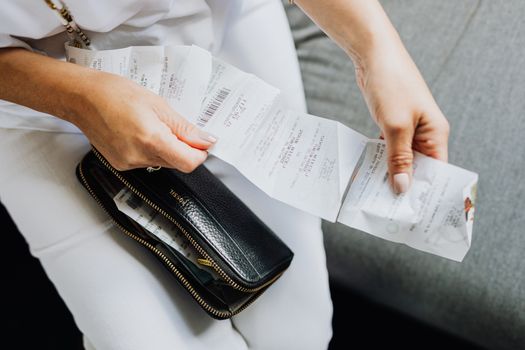
Photograph the receipt while you are still in the car park. Add the site name and the reason for the trip in the same minute. That single habit removes most of the pain at tax time, because the detail you need later is the detail you forget first.
Lodgya is a Melbourne-built, browser-based record-keeping tool for Australian tax, with trackers for personal, business and rental property records alongside free calculators and an ATO due-date calendar. It keeps receipts and expenses in one place so a return can be built from records rather than a shoebox. It is not tax advice and it is not a registered tax agent, so anything unusual still deserves a conversation with someone qualified.
Work out your own pattern first. If your year is mostly the same commute with the odd site visit, the claim will be small and simple. If it is overnight stays, hire cars and toll roads, build the habit now, because next tax time you will be relying on the version of you who was standing in a motel car park with a phone in hand.
No. Travelling between home and a regular place of work has long been treated as non-deductible, even though you only make the trip because of your job. The main exception is travel directly between two separate workplaces, such as heading from one job straight to a second one on the same day.
Generally no. Meals can be claimed only where the travel includes an overnight stay. A long day visiting sites, clients or a supplier does not usually bring food and drink into the claim, so keep those receipts out of the work column unless an overnight stay forms part of the trip.
Keep the receipts for accommodation, fares, parking, tolls and car hire, then add a note of the date, where you stayed and the work purpose, such as a conference, training course or industry event. A simple diary of travel dates ties it all together if questions come up later.
Expenses incurred while an employee is living away from home are generally treated as living expenses and are not deductible to the employee. That is different from a work trip that involves an overnight stay. If a job keeps you away for an extended period, get advice on how your arrangement is treated.
No. A deduction requires that you spent the money yourself and were not reimbursed. If the employer pays for the accommodation, the flights or the meals, those amounts are not yours to claim. Only the out of pocket, work-related portion you funded yourself belongs on your return.
The ATO's fixed rate is 70c for every hour you work from home. It covers power, internet, phone and stationery.
The cents per km method covers all your car costs for up to 5,000 work km per car. Normal home-to-work travel doesn't count.
See how much tax a deduction could save you, based on your taxable income before the deduction.
Rough estimates only, using ATO rates as at October 2026. Not tax advice.
Lodgya tracks your income, deductions, receipts, work-from-home hours and car trips all year, then gives you a clean report at tax time.