1 Nov 2026
Out of Office Travel Expenses in 2026–27: What You Can Claim
Site visits, overnight stays and the records behind them. A plain-English look at out of office travel expenses in 2026–27 for Australian workers.
A practical nurse tax guide for 2026–27 covering uniforms, CPD, car expenses, shift work records and what the ATO expects before you lodge.
8 min read
🧮 Try our car expenses calculator ↓
Nursing is one of those jobs where the work follows you home. You buy things for the job, you drive to training days, you pay for courses to keep your registration current, and somewhere in the middle of a run of night shifts you drop a receipt into a bag and forget about it. By the time tax time arrives, most of that detail is gone.
This guide pulls together what you need for the 2026–27 financial year: the deduction areas nurses ask about most, how shift work affects record keeping, and where to check the rules before you lodge. Treat it as general information rather than tax advice. The Australian Taxation Office (ATO) guide for nurses and midwives is the reference that actually decides the question.
The ATO maintains a dedicated page called Nurses and midwives – income and work-related deductions. It covers what you earn, the allowances that come with it, and the work-related expenses you can and cannot claim. That page was last updated on 11 May 2026, which makes it the most current starting point for the 2026–27 year.
Spending 20 minutes there before you open your return is worth it. It is written for your occupation rather than for a generic taxpayer, so it names the categories that actually come up in nursing and midwifery: uniforms, education, car expenses and travel among them. Several nursing bodies and accounting firms also publish plain-English summaries of the same material, and those can help you understand the shape of it, but the ATO page is the one to rely on if the two ever disagree.
Most of the conversation about nurse tax deductions circles back to the same handful of areas. The detail matters, and so does the connection between the expense and how you earn your income. An expense that feels work-related but has no real link to your job will not survive a review.
Clothing attracts a lot of attention at tax time and it is usually the easiest place to go wrong. The ATO's occupation guide sets out which uniforms and work clothing can be claimed and the conditions attached to each. Read it before you add anything to your return, particularly if you are claiming something you also wear outside work.
Keep receipts for anything new you buy through the year. A photo of the receipt taken at the register is more reliable than a paper docket that fades to blank by July. If your employer supplies and launders your uniform, that changes what is left for you to claim, so check the guide rather than assuming.
Nurses and midwives pay for study, short courses and professional development to maintain registration and move into new areas of practice. The ATO guide addresses education expenses and the test it applies to them. The central question is whether the study connects to the work you already do, so keep enrolment confirmations, invoices and receipts together with a short note about what the course was for and what it let you do.
If your employer reimbursed you or paid the invoice directly, that affects what you can claim. Keep the paperwork that shows who paid, because a course someone else covered is not your expense.
This is the deduction that causes the most confusion. The ATO's guidance for nurses and midwives is clear that you cannot claim the cost of normal trips between home and work. Those trips are private travel, no matter how far the hospital is or how early the shift starts.
Other work-related travel is treated differently. If you move between sites during a shift, attend training away from your usual workplace, or perform duties that genuinely require you to be on the road, the guide explains how that is handled. Because car claims depend heavily on records, keep a logbook or whichever method suits your circumstances as you go. Reconstructing a year of driving from memory in July rarely ends well.
Shift penalties, uniform allowances, meal allowances and similar payments are income, and the ATO guide covers them next to your salary. Where an allowance is paid for a specific purpose, the guide explains how that interacts with a deduction for the same cost. Reading the income section and the deductions section together is the honest way to avoid claiming twice for the one expense.
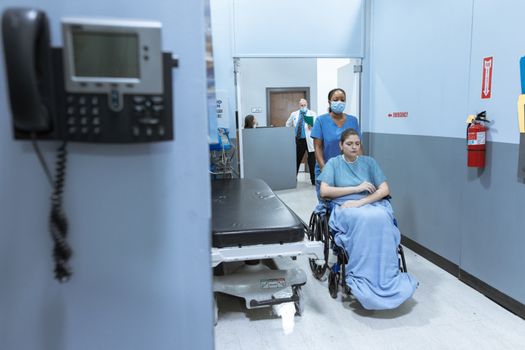
Shift work shapes the year in ways a Monday to Friday job does not. Rosters move, penalties and allowances show up in your pay, and expenses cluster around particular shifts. Your pay slips and your roster are the two documents that tie all of it together, which is why they are worth keeping in a form you can actually retrieve.
If you hold more than one job, work agency shifts on top of a permanent position, or pick up regular overtime, your income picture is more complex than a single pay slip suggests. The ATO occupation guide deals with income and allowances generally, but a registered tax agent is the right person to apply it to your exact mix.
Rosters, timesheets and pay slips are the practical evidence linking an expense to a shift. Save them as you go. A roster showing a stretch of night shifts is far more useful than a vague recollection that you worked nights "most of the year". If you claim something connected to shift work, you want to be able to point to the shift.
The shoebox problem is real. Receipts fade, cards get replaced and memory gets fuzzy by the time lodgment comes around. A running record set up in July, while you are still motivated, will do more for your refund than a frantic search in spring.
This is the problem Lodgya exists to solve. It is a browser-based income and expense record keeper built in Melbourne, so entries go in as they happen and the return becomes a tidy-up rather than an archaeology project. The same idea works in a spreadsheet or a notebook, as long as you actually use it. What matters is that the record exists before you need it.

Running through a short checklist before you start your return keeps you from missing the obvious and from claiming things the ATO will question.
| Expense area | What to have ready | Where to verify |
|---|---|---|
| Uniforms and work clothing | Receipts, plus a note on whether the employer supplied or laundered the item | ATO nurses and midwives guide |
| Education and CPD | Invoices, enrolment records, and proof of who paid | ATO nurses and midwives guide |
| Car and travel | Logbook or travel records, plus rosters showing the work-related trip | ATO car expenses material |
| Allowances | Pay slips showing each allowance paid | ATO income and allowances section |
| General work expenses | Receipts and a short description of the work use | ATO record-keeping rules |
On the question of receipts, there is a lot of tea-room folklore about how much you can claim without written evidence. The ATO publishes the actual thresholds and the exceptions, and those figures change, so check the current record-keeping material on the ATO site rather than relying on what a colleague claimed last year.

If it was, the next step is simple: open the ATO occupation page for nurses and midwives, read the deductions section against your own year, and get your records into one place before you lodge. Ten minutes of checking now beats an amended return later. This article is general information and not tax advice, and it is not written by a registered tax agent. For anything unusual in your circumstances, including multiple employers, salary sacrifice arrangements, a side business or investment income, speak to a registered tax agent who can apply the rules to your situation.
The ATO's nurses and midwives guide lists uniforms, education and continuing professional development, car expenses and travel among the areas that come up for the occupation, along with other work-related expenses. Each one has conditions attached, so read the guide before you claim. The test is always whether the expense connects to earning your income.
No. The ATO's guidance for nurses and midwives states you cannot claim the cost of normal trips between home and work, even if you work early starts, night shifts or travel a long distance. Travel between worksites or to training away from your usual workplace is a different question, and the guide explains how that is treated.
Education and CPD expenses are addressed in the ATO's occupation guide, and the key issue is whether the study relates to the work you already do. Keep your invoices, enrolment records and evidence of who paid. If your employer reimbursed the cost, that changes what you can claim, so keep the paperwork that shows it.
Record keeping is what holds a claim together. Photograph receipts as you get them, note what each purchase was for, and keep rosters and pay slips where you can find them. The ATO publishes the current written evidence rules and any exceptions on its website, and those are the figures to check rather than advice from the tearoom.
Shift work affects your income through penalties and allowances, and it affects how you document expenses. Allowances are income and are covered alongside salary in the ATO guide, which also explains how they interact with deductions for the same cost. Keep rosters and pay slips so any claim you make can be tied to a specific shift.
The ATO's fixed rate is 70c for every hour you work from home. It covers power, internet, phone and stationery.
The cents per km method covers all your car costs for up to 5,000 work km per car. Normal home-to-work travel doesn't count.
See how much tax a deduction could save you, based on your taxable income before the deduction.
Rough estimates only, using ATO rates as at October 2026. Not tax advice.
Lodgya tracks your income, deductions, receipts, work-from-home hours and car trips all year, then gives you a clean report at tax time.