2 Nov 2026
Tax Deductions Without Receipts: The $300 Rule
How the $300 rule works for Australian tax deductions without receipts, what you can still claim, and why bank statements alone often fall short.
What Uber, DiDi and delivery drivers can claim on tax, how GST registration differs, and which records you need to keep it all clean.
5 min read
🧮 Try our car expenses calculator ↓
Rideshare and delivery work puts money in your pocket, but it also racks up costs along the way. Fuel, tolls, phone data, cleaning, platform fees and rego all add up before you have claimed a single dollar back. The ATO allows you to claim expenses directly related to earning your income, and the difference between a rough guess and a proper claim usually comes down to one thing: records.
Here is the practical guide to tax deductions for Uber drivers, DiDi and Ola drivers, plus Uber Eats and DoorDash riders working out what belongs on the tax return.
Rideshare and food delivery are treated differently, and getting this wrong causes more grief than any missed deduction.
If you drive passengers for Uber, DiDi or Ola, you must register for GST from the first dollar you earn. That means an ABN, GST registration and lodging Business Activity Statements.
If you deliver food for Uber Eats or DoorDash, you only need to register for GST once your turnover reaches $75,000.
GST is calculated on your gross income, which is the amount before the platform deducts its fees, so put money aside as you earn rather than scrambling when a BAS is due. If you are ever unsure which category you fall into, the ATO's ride-sourcing page sets out the rules plainly.
Uber and the other platforms issue an annual tax summary. The gross figure and the fees are both important. The gross income goes on your return as income, and the platform fees come back as a deduction. Do not net them off and report only the difference, because that understates your income and your expenses at the same time.

You cannot claim the whole car just because you sometimes use it for work. You claim the business share of running costs, which includes fuel, servicing, tyres, registration, CTP and insurance.
There are two ways to work that share out. The logbook method uses a representative period of driving to establish your business use percentage, which you then apply to your total costs. The cents per km method applies a set rate to your work kilometres and skips the receipt splitting. Rates and thresholds change, so check the current ATO figures before you calculate anything, then use whichever method gives you the better result.
The private share stays out. The trip to the supermarket is not a deduction.
Vehicle costs get the attention, but the extras are worth tracking properly across the year.
Expense | What you claim |
|---|---|
Phone and data | The work share of your plan, based on how much you use the phone for the platform |
Platform fees | The full amount deducted by Uber, DiDi, Ola, Uber Eats or DoorDash |
Cleaning | The work-related portion, for example cleaning up after a passenger |
Tolls and parking | Only while you are working, such as parking near a pickup |
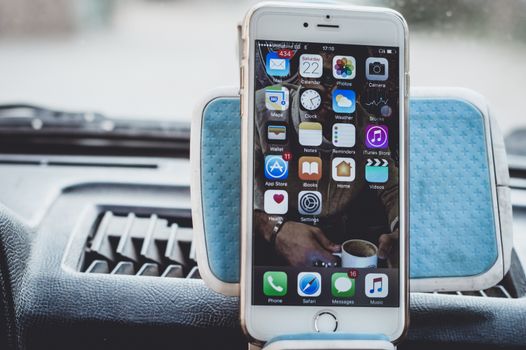
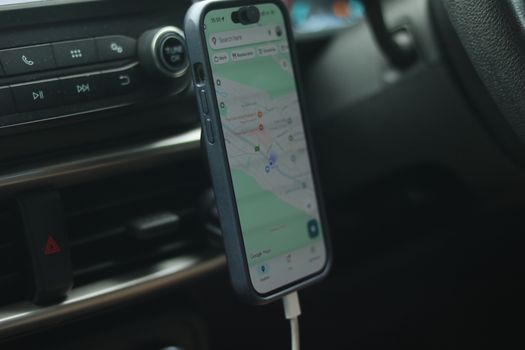
Phone mount and charger | Items bought for the job, claimed according to their cost |
Fines and infringements are never deductible, no matter how unfair they felt at the time. Private trips, ordinary clothing and the personal share of your phone or cleaning are also out. If an expense is mixed, split it and claim only the work portion, and keep something to show how you arrived at that split.
A shoebox of receipts is a June problem. Tracking trips as you go is far less painful. The free Lodgya Logbook app records your trips and works out your business use, while the Pro tracker handles GST and BAS reconciliation so your quarterly figures line up with what you actually earned. It runs in the browser, so there is nothing to install, and your data stays yours.
You can use myID to sign in to myGov and ATO online services. Set it up early rather than the night before your return is due.
Yes. Passenger rideshare drivers must register for an ABN and for GST from the first dollar earned, then lodge Business Activity Statements. You are running a business, not doing a casual job, so the income goes on your return as business income with the associated expenses claimed against it.
You can, but only the work share. Work out a reasonable percentage based on how much of your phone use is genuine platform work, such as accepting trips, navigating and messaging passengers, then apply that percentage to your monthly plan and any data add-ons.
Not from the first dollar. Food delivery riders for services such as Uber Eats and DoorDash only need to register for GST once turnover reaches $75,000. Passenger rideshare drivers are treated differently and must register immediately. If you do both, get advice on how the rules apply to your situation.
Keep your platform tax summary, fuel and servicing receipts, toll and parking receipts, phone bills, cleaning costs and your logbook or trip records. Photograph receipts as you get them and note the purpose of each expense while you still remember it, because reconstructing a year of costs later is guesswork.
No. Only the business-use portion of your running costs is claimable, worked out through the logbook method or the cents per km method. The private share of fuel, insurance, registration and servicing stays out of the claim, even if you use the car for work most days.
This article is general information only and is not tax advice. Check your own circumstances with a registered tax agent or the ATO before lodging.
The ATO's fixed rate is 70c for every hour you work from home. It covers power, internet, phone and stationery.
The cents per km method covers all your car costs for up to 5,000 work km per car. Normal home-to-work travel doesn't count.
See how much tax a deduction could save you, based on your taxable income before the deduction.
Rough estimates only, using ATO rates as at October 2026. Not tax advice.
Lodgya tracks your income, deductions, receipts, work-from-home hours and car trips all year, then gives you a clean report at tax time.